

Archive

Posts Tagged ‘Cannon County’

Short Mountain Distillery: celebrating a year of success
March 23rd, 2013 2 comments

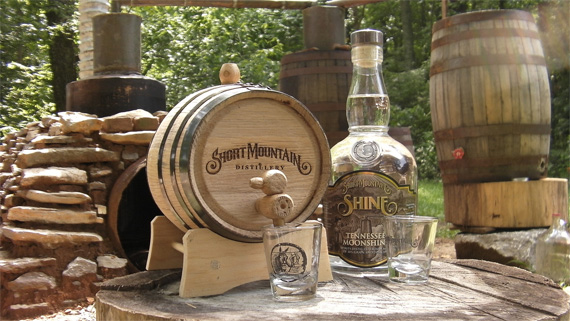
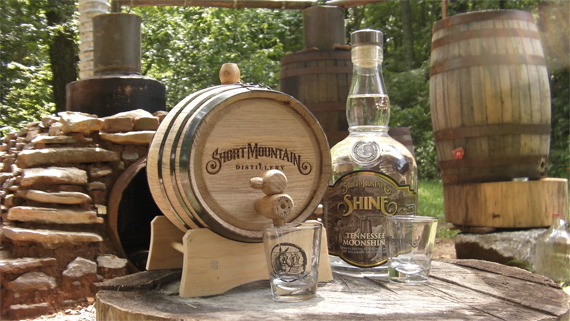
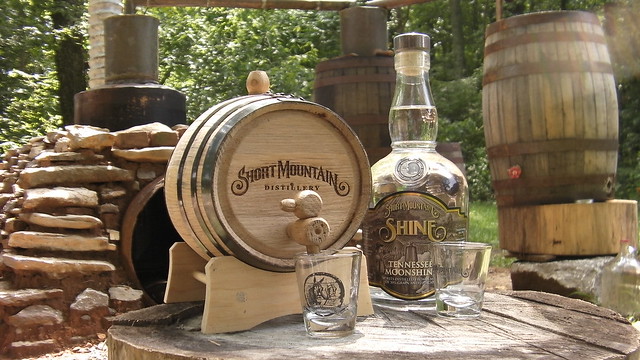
single bottle barrels

Today marks the one year anniversary of Short Mountain Distillery opening its doors to the public and three years since the hard work began to make this day possible.

It was an exciting three years serving an extraordinary team as Chief Operating Officer during this time. I could not have written the business plan or built a distillery around making moonshine without the help of Cannon County voters in 2010. Building a heritage brand image around local moonshine culture would have never been a reality beyond the law change without the commitment and support of Billy Kaufman and his brothers Ben and David.

I recently left the distillery in February to pursue a project I hope helps save the planet, but I thought it was important to take this opportunity to highlight some of the first year successes we achieved as a team. The captioned slideshow below really helps tell this story using hundreds of photos I took. Here’s to many more years of making our whiskey heritage shine to the world from Woodbury, Tennessee!

Short Mountain Distillery’s first year by the numbers:

  • we created several local jobs and saw over 15,000 visitors at the distillery in Cannon County
  • we launched two products: Short Mountain Shine and Short Mountain Apple Pie
  • we sold over 2,500 cases of moonshine now available in stores across the state of Tennessee
  • Short Mountain Shine (105 proof authentic Tennessee Moonshine) won the Gold Medal in the International Review of Spirits Award from the Beverage Testing Institute
  • we appeared in over 100 media pieces, including a three-part Discovery Channel mini-series How Booze Built America
  • we surpassed every industry consultant’s benchmark for success and helped ignite an American moonshine revival

Farm hour: preventing herbicidal drift from utility right of ways

January 28th, 2013 2 comments

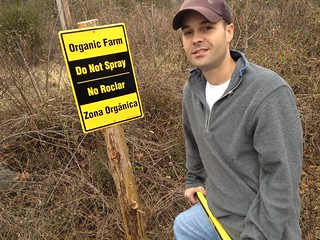
zona organicaI didn’t know what to expect working with local utilities to prevent drift from chemical management of right of ways onto our organic farm.
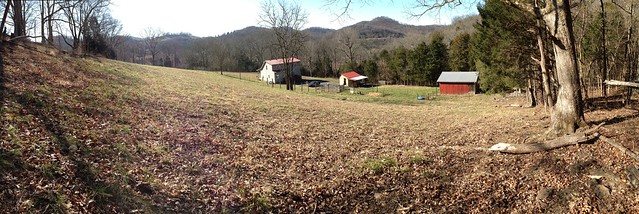
Each of our local utilities who need access to the front of the farm had never dealt with a request like this, but each one totally understood my goals and appreciated my willingness to help them manage right of ways without chemicals.

The key phrase there is “my willingness to help them.” That’s a commitment to some work on my part. Luckily the right of ways are down hill a good distance from the fields we are certifying as organic, but we’ll have to dedicate some weekend farm hours to clearing brush.

Some practical advice I got from Middle Tennessee Electric Membership Cooperative was to make sure bilingual signs were posted. I can send them 50 letters, but a sign is all the contracted crews managing vegetation will see.

We got this embossed aluminum 12×18 “Do Not Spray” sign online. If you are going through the process of becoming a USDA Certified Organic farm, your certifying agent can help you with draft letters to neighbors and local utilities.

Farm hour: soil organics

January 25th, 2013 No comments

the orchard
a view of the organic orchard on the farm in Woodbury, Tennessee (Cannon County)

Ken asked me a little suspiciously where I got the soil samples I had him test. He said he hasn’t seen soil that good anywhere around here, and the organic matter for the farm soil is off the charts. It was low in potassium and magnesium.

That was great to hear, but it makes me want to do another test to be sure. My best guess is that the sloped field may have gotten over a 100 years or more of heavy leaf matter from nearby oak, maple and hickory trees. The soil I submitted was blackish in color with dark gray clay. Ken said it looked like someone dumped river bottom soil from a Mid West cornfield.

Another thing he saw was over the top cation exchange capacity. Normally he sees a range of 6-15 for Cannon County farms. We had a 36. It’s a great place to start for some very happy organic apples and blueberries.

Farm hours:

  • completing application for USDA Organic Certification
  • setting up a temporary greenhouse
  • setting up a cistern on the barn
  • cleaning the barn
  • turning the strip crop sections in field 3 and sourcing organic clover and rye cover crops

Farm hour: quantifying what’s possible

October 30th, 2012 No comments

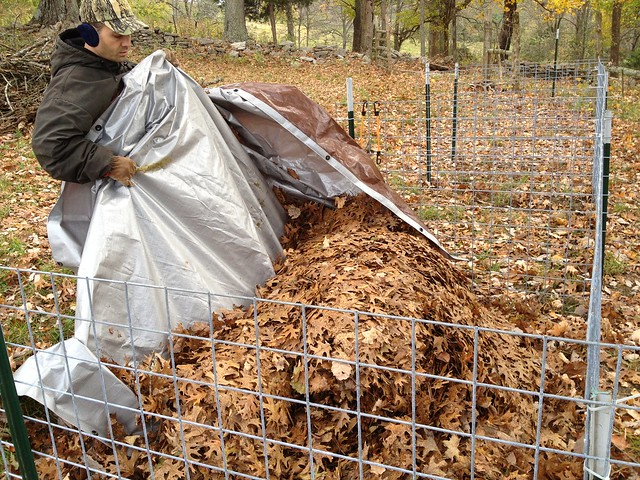
leaf harvest
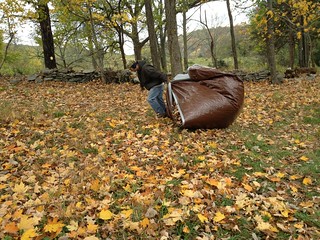
One of three tarp loads of oak, maple, hickory and walnut leaves we gathered up for the orchard compost.

composting leavesThe orchard “mulchery” is set up. It’s 20 feet long, five feet wide and about 4 feet tall. If half the space is used, that should be 200 cubic feet of mulch. We added about 80 cubic feet of compacted, harvested leaves to use throughout the winter and started a pile with some of them today in the middle bin.

To start, I used a lot of the leaves, 15 gallons of cow manure from the neighbor’s field, grass clippings from today’s upper field mowing and about 8 gallons of water.

Water is going to be an issue until I can figure out an easier way to get it to the orchard. By the time my two five gallon buckets got there, I had lost about 4 gallons to sloshing.

upper fieldWhat’s Possible? I measured the space and determined if we use the entire space for blueberry bushes and apple trees, we’re looking at around 175 blueberry bushes and 32 apple trees. Using non-organic yields, the potential looks like this:


  • Apple:10-20 bushels per tree is 320-640 bushels of apples, 960-3200 gallons of cider or 13,440-26,880 lbs. of apples
  • Blueberries: 15 lbs. per bush is 2,625 lbs. of berries
  • Market: at current market value: $26,000 – $47,000

What’s Practical? That’s what I’m trying to figure out. We have about an hour of daylight each night and two weekend days of winter farm hours. We can’t eat all that, and we probably can’t process all that for others. Can we do this?

We’re thinking of starting with 8 apple trees and 10 blueberry bushes, but I’m mulching as though we’re doing it all.

Spreading the Gospel of the Shine

February 2nd, 2012 No comments

shine020112 shiner020112 shinier020112

They’re pink, blue and white and represent a good year’s worth of ignoring television and Twitter.

This isn’t all of the permits required before we can legally sell our authentic Tennessee Moonshine, but combined with the others they ought to get us from Memphis to Bristol without too much worry about going to prison. Now if we can keep the ’51 Chevy pickup under 70MPH as we travel the state, we should be fine.

God Bless America, and God Bless the Shine.

Photo shoot for Short Mountain Moonshiners

January 15th, 2012 1 comment

shinerx600
Jeff Schuler snaps a few photos of Josh Smotherman, Short Mountain Distillery’s Head of Production.

When our welder saw all the lights being set up Friday he joked with Ricky that we were going to make him famous. I told him he better get Ricky’s autograph while he can.

If it weren’t for a final piece of compliance I would have had all three of our moonshiners fire up the still right then just to warm us all up. The temperature in the shiner’s shack must have been close to freezing, but once the shiner’s took their jackets off for photos and the stories started flying, the room warmed right up.

Friday was one of those personal moments of pride after looking through the photos and seeing and feeling the history we are about to make together. I can’t wait for you to meet these living legends of our state’s whiskey making heritage.